
One of the key benefits of robotized healthcare solutions is their precision in surgical procedures. Robots can perform complex surgeries with incredible accuracy, minimizing the risk of human error and improving patient outcomes. These robotic systems are also capable of reaching areas that may be challenging for human hands to access, making surgeries less invasive and reducing recovery times for patients.
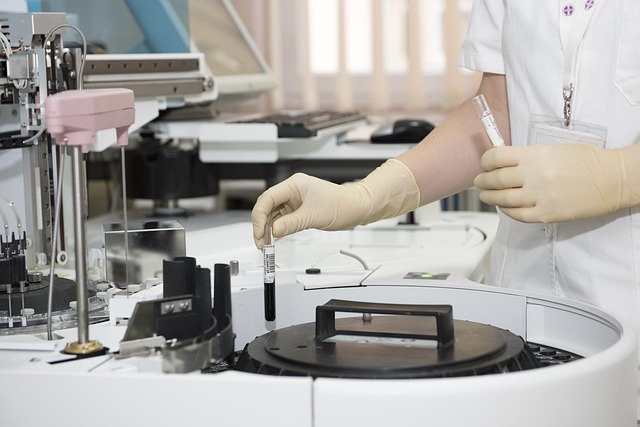
Additionally, robots are being utilized in diagnostic procedures to analyze medical images and data, providing healthcare professionals with valuable insights to make informed decisions about patient care. This level of automation not only expedites the diagnostic process but also helps in early detection of diseases, leading to more timely interventions and improved prognosis for patients.
The future of robotized healthcare solutions is promising, with ongoing research and development focusing on expanding the capabilities of robotic systems. From robotic exoskeletons that assist individuals with mobility limitations to robot companions that provide emotional support to patients, the potential applications of robotics in healthcare are vast.
As we embrace these innovations in healthcare, it is important to ensure that human touch and empathy remain at the core of patient care. While robots can enhance the efficiency and accuracy of medical procedures, they cannot replace the warmth and compassion that human healthcare providers bring to their interactions with patients.
In conclusion, robotized healthcare solutions are shaping the future of healthcare delivery, offering unprecedented opportunities to improve patient outcomes and transform the way we approach medical care. By leveraging the power of robotics alongside human expertise, we can create a healthcare system that is not only technologically advanced but also compassionate and patient-centered.