
In the evolving landscape of medical technology, the term “artificial limbs” has moved beyond the conventional prosthetic devices of the past. Today’s innovations fuse robotics, advanced materials, and intelligent software to create prosthetic limbs that not only restore movement but also enhance the quality of life for amputees. This article explores how robotic breakthroughs are redefining the role of artificial limbs in modern healthcare, examining their design, functionality, and the profound impact they have on users worldwide.
From Simple Amputation to Smart Prosthetics
The journey of artificial limbs began with basic wooden or metal replacements that offered limited support. With the advent of microprocessors and sensor technology in the 1990s, the first generation of “smart” prostheses emerged. These devices could interpret muscle signals and adjust joint movement in real time. Since then, the field has experienced exponential growth, driven by interdisciplinary research that merges robotics, neuroengineering, and data analytics.
- Microprocessor‑controlled ankles that adapt to terrain.
- Myoelectric hands that translate electrical muscle activity into precise grip.
- 3D‑printed sockets customized to individual anatomy.
Core Technologies Shaping Modern Artificial Limbs
Three pillars—sensing, actuation, and intelligence—form the backbone of contemporary prosthetic design. Sensors embedded in the prosthesis capture physiological and environmental data. Actuators, often powered by lightweight motors or hydraulic systems, translate computational outputs into movement. Intelligent algorithms process inputs to deliver smooth, natural motions.
“The integration of machine learning into prosthetic control loops allows for adaptive behavior that mimics human proprioception,” notes Dr. Elena Marquez, a leading researcher in neuroprosthetics.
Revolutionizing Mobility: Robotic Lower‑Body Prosthetics
Lower‑body amputees face unique challenges, as the absence of a natural knee or ankle disrupts balance and gait. Recent robotic lower‑body prostheses incorporate powered knee joints and dynamic ankle‑foot mechanisms. These systems utilize gyroscopes and inertial measurement units to anticipate walking patterns, adjusting torque to match the user’s intended speed.
- Powered Knee Joints: Provide active extension during the swing phase, reducing energy expenditure.
- Adaptive Ankle‑Foot Units: Use plantar‑flexion and dorsiflexion control to replicate heel‑strike and push‑off motions.
- User‑Specific Calibration: Machine learning models tailor movement profiles to individual gait signatures.
Clinical studies report up to a 40% reduction in metabolic cost for walking with these advanced prostheses compared to passive devices.
Enhancing Dexterity: The Next Generation of Upper‑Body Prosthetics
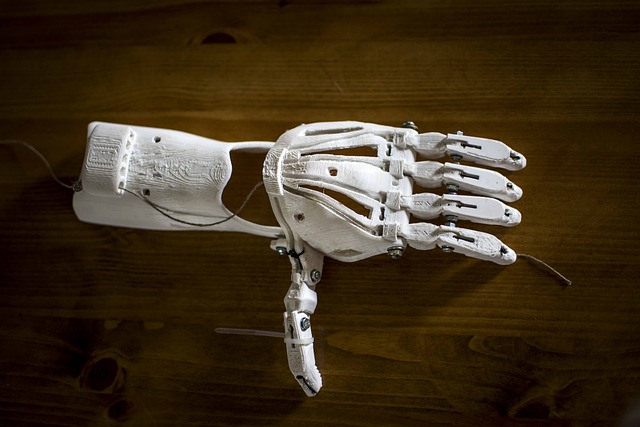
Upper‑body artificial limbs, particularly hands and wrists, require fine motor control to perform daily tasks. The latest myoelectric prosthetic hands employ multi‑channel surface electromyography (EMG) arrays that detect distinct muscle patterns, enabling simultaneous grip and release motions. Some devices integrate tendon‑based actuation, mimicking the natural tendon‑muscle architecture for smoother operation.
“When a user can transition from a firm grasp to a delicate pinch without external cues, we witness a transformative shift in independence,” explains engineer Maya Singh.
Personalization Through 3D Printing and Advanced Materials
Every amputee has a unique anatomy, and fitting a prosthesis is often a delicate process. Additive manufacturing, commonly known as 3D printing, allows for rapid production of custom sockets that match the residual limb’s contour. Moreover, composite materials—such as carbon‑fiber reinforced polymers—provide lightweight strength, enhancing comfort and reducing fatigue.
- High‑resolution scanning creates precise digital models of the residual limb.
- Material selection is guided by biomechanical analysis to optimize load distribution.
- Post‑processing techniques ensure durability and smooth finish.
These innovations not only improve fit but also accelerate the transition from clinic to real‑world use.
Integrating Neural Interfaces for Seamless Control
Neural integration represents the frontier of artificial limb control. Electrode arrays implanted in peripheral nerves can decode motor intent with high fidelity. When combined with closed‑loop feedback, the prosthesis can adjust in milliseconds, creating an almost instinctive experience. Though still experimental, clinical trials have shown promising results in restoring voluntary movement in transfemoral and transradial amputees.
“A prosthesis that feels like a natural extension of the body is the holy grail of rehabilitation,” states neuroscientist Dr. Luis Ortega.
Rehabilitation and Psychological Impact
Beyond mechanical function, artificial limbs play a critical role in psychosocial rehabilitation. Access to advanced prosthetics can reduce feelings of loss, improve body image, and encourage active lifestyles. Rehabilitation programs now incorporate robotics to facilitate motor learning, using real‑time feedback to guide patients through gait training and hand‑function exercises.
- Virtual reality environments paired with prosthetic devices offer immersive practice scenarios.
- Wearable sensors monitor progress, enabling therapists to adjust training protocols.
- Community support groups foster sharing of experiences, reducing isolation.
Economic Considerations and Accessibility
While cutting‑edge robotic artificial limbs deliver remarkable benefits, their high cost remains a barrier. Insurance coverage varies, and many patients rely on charitable organizations or research grants. Efforts to reduce manufacturing expenses—through scalable 3D printing, open‑source software, and bulk material sourcing—are underway. Additionally, low‑cost prototypes are being developed for resource‑limited settings, ensuring global access to life‑enhancing technology.
“Technology must be affordable to have a lasting impact on public health,” argues economist Dr. Aisha Karim.
The Future Horizon: Adaptive, Autonomous, and Integrated Systems
Looking ahead, the integration of artificial limbs with wearable computing and cloud‑based analytics promises autonomous adaptability. Future prostheses could predict user intent, adjust to new terrains, or even self‑diagnose maintenance needs. Integration with the Internet of Things (IoT) will allow seamless data exchange between devices, healthcare providers, and patients, fostering proactive care and personalized treatment plans.
- Predictive Analytics: Machine learning models anticipate gait changes due to fatigue or injury.
- Smart Maintenance: Sensors detect wear and trigger timely servicing alerts.
- Remote Monitoring: Telehealth platforms provide real‑time adjustments and support.
These advancements herald a future where artificial limbs are not just replacements but active partners in human health.
Conclusion: Empowerment Through Robotics
Robotic innovations in artificial limbs have moved the field from mere mechanical aid to dynamic, intelligent systems that restore and even enhance human capabilities. As technology matures, the gap between biological and artificial movement narrows, offering amputees a chance to reclaim autonomy and participate fully in society. Continued interdisciplinary research, coupled with efforts to democratize access, will ensure that the transformative power of robotic artificial limbs reaches all who need it.