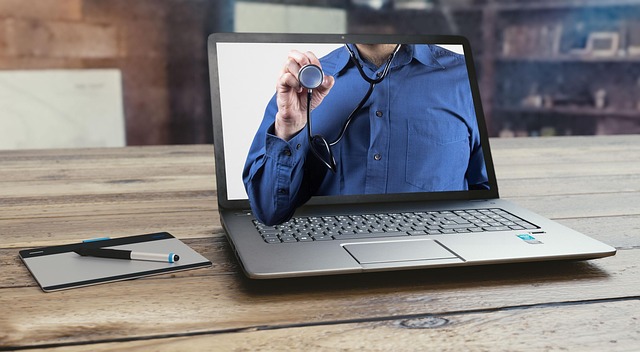

Imagine waking up with a tightness in your chest. In the past you would start calculating how long it would take to get a doctor’s appointment, the commute, the waiting room, the worry of sitting beside other coughing patients. Today, thanks to the rapid advance of Telemedicina, you can lift your phone, open a certified platform, and initiate a remote medical examination within minutes. A clinician on the other side of the screen can listen to your breathing through a digital stethoscope you plug into your headphone jack, view real-time cardiogram data from a wearable patch, and advise whether you simply need rest or an immediate in-person visit. What once felt like science fiction is now becoming part of daily healthcare.
Healthcare Innovations That Make Distance Disappear
Several converging technologies are propelling the remote medical examination from novelty to necessity:
- Connected diagnostic devices – From otoscopes that attach to a smartphone camera to FDA-cleared blood pressure cuffs that sync to the cloud, data are captured with clinical accuracy and transmitted instantly.
- Artificial intelligence triage – Algorithms sift through symptoms, vitals, and medical history to prioritize urgent cases and guide clinicians toward evidence-based decisions.
- 5G and edge computing – Low-latency networks ensure a doctor can view a high-resolution skin lesion image or ultrasound feed without lag, crucial for decisive evaluations.
The Human Side of a Digital Interaction
Critics sometimes worry that Telemedicina strips away empathy; yet many patients report feeling more relaxed during a remote medical examination than during an office visit. Home surroundings mitigate white-coat hypertension. Parents can comfort a restless child with familiar toys while a pediatrician observes from afar. For people with mobility challenges, chronic pain, or rural addresses, the screen becomes a bridge rather than a barrier.
Redefining Health Management
Because appointments can occur more frequently and with less friction, a preventive mindset replaces a reactive one. Diabetic patients share glucose logs in real time, allowing swift insulin adjustments. Cardiologists monitor post-operative patients daily instead of at the three-month mark. Behavioral health professionals meet teens after school hours, a timeframe that removes common obstacles to care. The result is a living, breathing continuum of health oversight.
Challenges Worth Solving
Of course, the revolution is unfinished. Interoperability gaps between platforms can scatter patient records. Licensing regulations vary by region, complicating cross-border consultations. And despite falling hardware prices, not every household owns the devices needed for a sophisticated remote medical examination. Addressing these inequities is as critical as the technologies themselves.
Looking Forward
Every transformative era in medicine has been marked by a tool: the stethoscope, the X-ray, the MRI. Telemedicina’s flagship tool is the connected home, where living rooms, kitchens, and even remote worksites become extensions of the exam room. With each successful remote medical examination, trust in digital care deepens, clinicians gain new insights, and patients reimagine what it means to stay healthy in a connected world.