
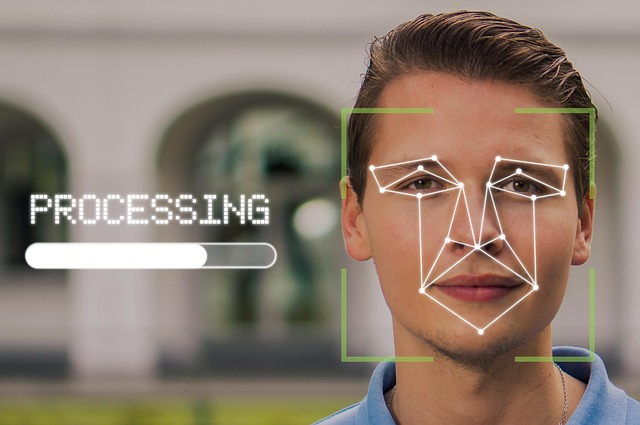

In today’s era of rapid technological advancement, healthcare has experienced a transformative wave, driven by smart technologies that are reshaping the landscape of patient care and data security. At the heart of this transformation is the use of sensor-based authentication methods—innovations that are not just enhancing health services, but also safeguarding the sensitive information and identities of patients like never before.
Imagine a world where access to medical records, treatment plans, and even medication dispensers is personalized and secure by simply touching a sensor, a seamless integration between patient and machine. Biometric sensors are taking center stage, using unique bodily identifiers such as fingerprints, heart rate, or even skin temperature to confirm a person’s identity. This type of authentication creates a highly secure and individualized interaction between patients and healthcare systems—one that maintains the sanctity of health data while promoting efficiency and trust.
Healthcare institutions are increasingly burdened with the dual responsibility of providing timely care and ensuring stringent data protection. Traditional PINs and passwords are prone to breaches and human error. Sensor-based authentication replaces the fallibility of these systems with the innate security of physiological data. These systems are nearly impossible to replicate, offering a resilient shield against unauthorized access—a reassuring step forward in an industry where patient trust is paramount.
This revolution is not limited to clinical settings. Wearable devices equipped with multi-sensor authentication capabilities are now empowering individuals to monitor and manage their health with unprecedented accuracy. These devices use heart rhythms, gait recognition, and other biometrics to ensure that the collected health data is tied definitively to the user, delivering personal insights while preventing medical identity theft.
What’s truly groundbreaking is how sensor-driven technologies are blending into everyday healthcare scenarios. Elderly patients residing in assisted living facilities can be equipped with wearable sensors that not only monitor vital signs but also ensure that critical health applications are only accessed by authorized individuals. In emergency situations, these authentication tools streamline access to life-saving data, improving response times and reducing medical errors—as every second counts.
From hospital management systems to at-home care solutions, the integration of sensor technologies into authentication processes is setting a new standard for modern healthcare. It resonates on an emotional level—security you can feel. For doctors, it means accurate patient interactions. For patients, it’s peace of mind that their health journey is both safe and uniquely theirs.
As we continue to build a future where healthcare is increasingly digitized, the role of sensors in reinforcing secure authentication mechanisms cannot be overstated. These innovations aren’t merely technological feats—they’re catalysts for trust, precision, and holistic wellbeing across the entire healthcare ecosystem.