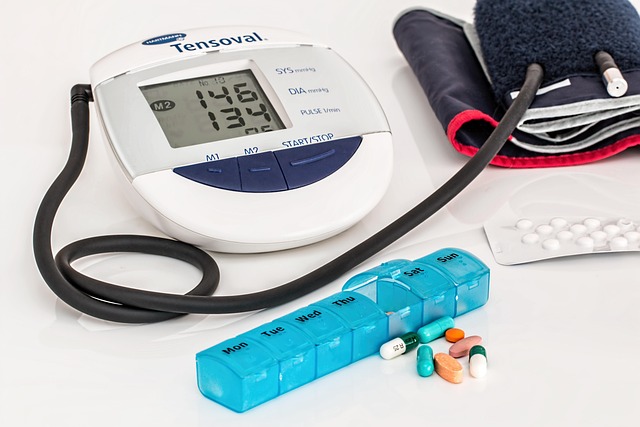


Healthcare systems worldwide face an unprecedented demand for efficient, continuous patient care. Staffing shortages, rising costs, and the need for precision monitoring are reshaping how hospitals operate. Among the most promising responses to these pressures are patient‑monitoring robots—autonomous or semi‑autonomous machines designed to track vital signs, deliver supplies, and support clinical workflows. By shifting routine surveillance tasks from human caregivers to robotic assistants, these innovations promise to free clinicians for higher‑value decision making while improving safety and consistency of care.
Beyond mere convenience, patient‑monitoring robots embody a paradigm shift that merges data science, robotics, and human factors engineering. Their ability to maintain constant vigilance, reduce human error, and adapt to changing environments positions them as critical assets in the quest for high‑quality, cost‑effective healthcare delivery.
What Are Patient‑Monitoring Robots?
Patient‑monitoring robots are mobile platforms equipped with sensors, communication modules, and control software that allow them to navigate hospital spaces, observe patients, and relay real‑time data to clinical teams. Unlike static monitors that sit on a bedside, these robots can move between rooms, follow patients during mobility activities, and even enter specialized care areas such as operating theatres or isolation wards.
Core functionalities include continuous measurement of vital signs—heart rate, blood pressure, oxygen saturation, respiratory rate—and environmental monitoring, such as room temperature or air quality. Advanced models integrate with electronic health record (EHR) systems, automatically logging data and flagging abnormal trends for rapid intervention.
Key Technological Components
- Sensing Suite: Non‑contact infrared sensors, photoplethysmography cameras, and pressure‑sensing mats provide a comprehensive view of patient physiology.
- Autonomous Navigation: LiDAR, visual SLAM, and real‑time obstacle avoidance enable safe movement through busy clinical environments.
- Connectivity Infrastructure: Wi‑Fi, Bluetooth Low Energy, and 5G allow seamless data transmission to cloud‑based analytics platforms.
- Human‑Robot Interaction Interface: Voice commands, touch panels, and gestural cues enable clinicians and patients to communicate effortlessly with the robot.
- Power Management: Swappable batteries and docking stations minimize downtime and ensure uninterrupted operation during long shifts.
Integration into Acute Care Settings
Implementing patient‑monitoring robots in hospitals involves more than installing hardware. Successful integration requires alignment with existing clinical protocols, staff training, and robust cybersecurity measures. Pilot programs typically begin in high‑volume units such as intensive care or post‑operative recovery wards, where continuous monitoring is critical.
During early trials, robots perform tasks such as transporting medication trays, measuring vital signs before each nursing shift, and delivering basic comfort items. By automating these repetitive tasks, nurses can allocate more time to patient interaction and complex clinical decision making.
Benefits for Patients and Providers
Patient‑monitoring robots contribute to better outcomes in several measurable ways:
- Reduced Response Times: Real‑time alerts allow clinicians to intervene before physiological parameters cross dangerous thresholds.
- Enhanced Data Accuracy: Continuous, automated measurements decrease the likelihood of human error inherent in manual recordings.
- Consistency Across Shifts: Robots provide uniform monitoring regardless of staffing fluctuations, ensuring continuity of care.
- Workforce Efficiency: By offloading routine monitoring duties, staff can focus on complex assessments, potentially decreasing burnout.
- Patient Comfort: Gentle movements and minimal intrusiveness make robotic presence less stressful compared to frequent human checks.
Addressing Operational Challenges
While the advantages are clear, deploying patient‑monitoring robots presents logistical hurdles:
- Initial Capital Investment: High upfront costs for hardware, software licensing, and infrastructure upgrades can deter smaller institutions.
- Staff Acceptance: Change management strategies are essential to mitigate resistance from clinicians wary of technology replacing human judgment.
- Maintenance and Downtime: Regular servicing schedules must be established to prevent critical failures during patient monitoring.
- Data Privacy: Ensuring that patient data captured by robots meets HIPAA and GDPR standards requires robust encryption and audit trails.
Mitigating these risks involves phased implementation, clear ROI metrics, and continuous education for all stakeholders.
Ethical and Regulatory Landscape
Ethical considerations arise when delegating sensitive patient monitoring to autonomous systems. Key points include:
- Transparency: Patients should be informed about when and how robots collect data, and how that data is used.
- Accountability: Clear guidelines must define responsibility in the event of a robotic failure that leads to adverse patient outcomes.
- Equity: Deployment decisions should ensure that all patient populations benefit equally, avoiding disparities in access to advanced care.
Regulators are adapting to these emerging technologies, with the FDA and other bodies issuing guidance on software as a medical device (SaMD) and robotics safety standards.
Future Directions and Innovations
The next wave of patient‑monitoring robots will likely incorporate several cutting‑edge developments:
- Artificial Intelligence Forecasting: Machine learning models that predict deterioration trends before they manifest clinically.
- Swarm Robotics: Coordinated fleets of smaller units collaborating to cover larger patient populations simultaneously.
- Personalized Care Algorithms: Adaptive monitoring schedules that align with individual patient rhythms and circadian patterns.
- Integration with Wearable Ecosystems: Seamless data flow between hospital robots and consumer‑grade wearables for continuous outpatient monitoring.
These advancements promise not only to refine the accuracy of vital sign detection but also to expand the role of robots into preventive medicine and tele‑health domains.
In summary, patient‑monitoring robots represent a transformative tool in modern healthcare, offering tangible improvements in patient safety, staff efficiency, and data quality. Their deployment is already reshaping acute care environments, and as technology matures, the potential for broader application—from chronic disease management to global tele‑medicine networks—grows exponentially. By thoughtfully addressing operational, ethical, and regulatory challenges, healthcare systems can harness the full promise of these autonomous assistants, ushering in an era where technology augments human expertise to deliver care that is both smarter and more compassionate.