
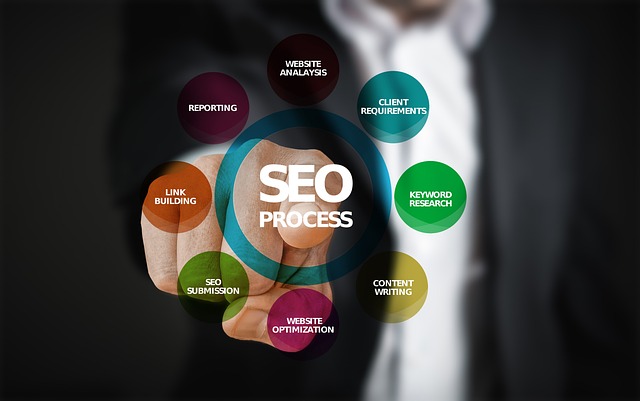

In the evolving landscape of healthcare, the convergence of advanced genomics and data science has become a pivotal driver for innovation. At the heart of this transformation lies a disciplined focus on process optimization—a systematic approach to refining every step from sample collection to patient care. By relentlessly improving these processes, companies like Genomika are not only accelerating discovery but also ensuring that breakthrough insights translate into tangible benefits for patients worldwide.
From Sample to Sequence: Streamlining Laboratory Operations
Genomic testing begins with a seemingly simple yet critical act: collecting a biological sample. Traditional workflows often involve manual labeling, multiple handoffs, and repetitive quality checks—factors that can introduce delays and errors. Process optimization tackles these bottlenecks through automation and standardized protocols. Automated barcode scanners, robotic liquid handlers, and real‑time tracking dashboards reduce human error and shorten turnaround times.
- Automated specimen accessioning eliminates duplicate entries.
- Integrated workflow management software synchronizes reagent inventories with sequencing schedules.
- Continuous quality monitoring flags deviations before they impact downstream analyses.
High‑Throughput Sequencing: Balancing Speed and Accuracy
Sequencing platforms have evolved to deliver massive data outputs at unprecedented speeds. However, maximizing throughput without compromising data integrity requires meticulous calibration of each run. Process optimization here focuses on predictive maintenance, reagent quality control, and dynamic batch sizing.
“By modeling reagent degradation curves, we can preemptively adjust library preparation parameters, ensuring that each sequencing run meets the same high standards of accuracy,” explains Dr. Elena Martinez, Genomika’s Chief Scientific Officer.
Data Deluge Management: Turning Genomes into Actionable Insights
The volume of genomic data generated by modern sequencers can reach petabyte scales. Managing this data stream demands robust pipelines that balance computational efficiency with analytical depth. Process optimization in bioinformatics translates into modular workflows, automated error detection, and scalable storage solutions.
Key components include:
- Automated Variant Calling: Leveraging machine learning models that adapt to evolving reference genomes, reducing false positives.
- Cloud‑Based Storage and Computing: Elastic resources that scale with data load, ensuring cost‑effective processing.
- Audit Trails and Provenance Tracking: Comprehensive logs that satisfy regulatory requirements and facilitate reproducibility.
Clinical Integration: From Reports to Treatment Plans
Raw genomic data holds promise only when translated into clinical decisions. Process optimization bridges the gap between laboratory findings and therapeutic interventions. Genomika’s platform embeds decision support tools directly into electronic health record (EHR) systems, allowing clinicians to view actionable variants alongside patient history.
Clinical workflow enhancements include:
- Standardized report templates aligned with guidelines from the American College of Medical Genetics.
- Real‑time alerts for pharmacogenomic interactions that affect medication choices.
- Feedback loops where clinician outcomes refine predictive models, closing the circle of continuous improvement.
Regulatory and Ethical Alignment: Safeguarding Trust Through Process Discipline
As genomic data becomes central to healthcare decisions, maintaining patient privacy and regulatory compliance is paramount. Process optimization extends beyond operational efficiency to encompass governance frameworks that monitor data access, consent management, and audit readiness.
Genomika implements:
- Role‑based access controls that enforce the principle of least privilege.
- Automated consent refresh workflows that prompt patients when new uses arise.
- Scheduled compliance audits that leverage process metrics to identify risk hotspots early.
Future‑Proofing: Adaptable Processes for Emerging Technologies
The pace of innovation in genomics—ranging from long‑read sequencing to single‑cell analysis—demands that process optimization remain forward‑looking. Genomika’s modular architecture allows rapid integration of new assay types without disrupting existing pipelines.
Strategies include:
- Plug‑and‑play reagent modules that auto‑configure workflow parameters.
- Continuous integration/continuous deployment (CI/CD) pipelines for bioinformatics software updates.
- Scenario planning exercises that map potential workflow changes against resource constraints.
Patient Outcomes: The Ultimate Measure of Process Success
While metrics like cycle time, error rates, and cost per test are essential, the ultimate gauge of process optimization is improved patient outcomes. Genomika tracks key performance indicators such as time to diagnosis, treatment adjustment rates, and patient satisfaction scores.
Case studies illustrate:
- A pediatric oncology center reduced the time from biopsy to actionable report from 14 to 4 days, enabling earlier chemotherapy initiation.
- An oncology practice saw a 12% increase in the use of precision therapies after integrating automated variant annotations into the EHR.
- Patient surveys reported higher confidence in care when clinicians had immediate access to genomic insights.
Collaboration Across Disciplines: The Human Element of Process Excellence
Process optimization is not purely technical; it thrives on collaboration between laboratory scientists, data engineers, clinicians, and administrative staff. Genomika fosters a culture of shared ownership through cross‑functional teams, regular retrospectives, and transparent performance dashboards.
Benefits include:
- Early detection of workflow bottlenecks by frontline staff.
- Continuous feedback that aligns process changes with clinical priorities.
- Enhanced engagement that reduces turnover and sustains process quality.
Conclusion: Process Optimization as a Catalyst for Healthcare Innovation
By embedding process optimization into every layer of genomic medicine—from sample collection to bedside decision support—Genomika exemplifies how disciplined workflow management can unlock the full potential of genomic data. The result is a faster, safer, and more patient‑centric healthcare ecosystem where cutting‑edge science translates into real‑world benefits.
As the field continues to evolve, the principles of process optimization will remain the cornerstone upon which sustainable, high‑impact healthcare innovations are built.