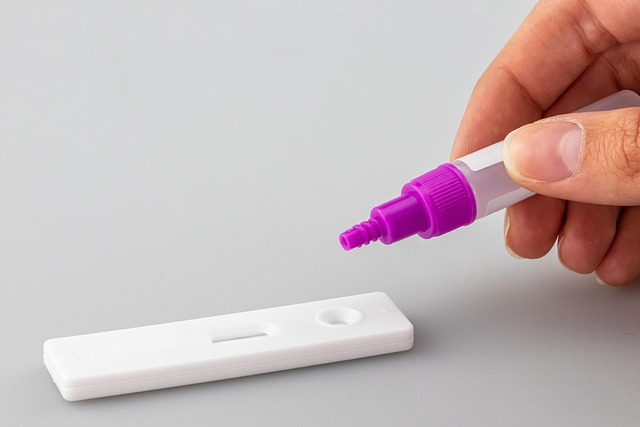
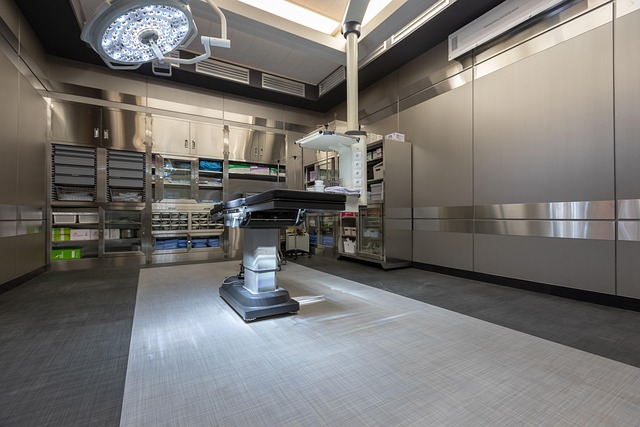

The healthcare environment is rapidly evolving, driven by an unprecedented wave of innovations aimed at transforming diagnostics. In a world where early detection can mean the difference between life and death, these innovations are more than technological marvels—they are lifelines. As we look around, we can see how digital tools, AI, and precision medicine are beginning to redefine not only how diseases are diagnosed but how care is delivered across diverse populations.
Recent advances in diagnostics are providing faster, more accurate, and less invasive solutions that empower clinicians to make timely decisions. For example, AI-powered imaging tools now assist radiologists in identifying abnormalities in seconds, reducing human error and increasing diagnostic confidence. Tele-diagnostic platforms allow patients in remote or underserved areas to access quality medical opinions without traveling long distances, effectively bridging health access gaps in the healthcare environment.
Wearable technology is another game-changer in the diagnostics landscape. From smartwatches that monitor heart activity in real-time to biosensors detecting glucose levels through sweat, these innovations are equipping everyday individuals with the ability to monitor their health proactively. This shift from reactive to proactive care embodies a significant cultural transformation in the healthcare environment.
Equally compelling is the rise of personalized diagnostics, made possible by advances in genomics and molecular testing. By understanding the unique genetic makeup of a patient, doctors can better predict disease risks and tailor preventative strategies with greater accuracy. These individualized insights are helping shape a future where healthcare is not only reactive but deeply personalized—a critical leap in modern diagnostics.
Healthcare innovations are also bringing about changes behind the scenes. Cloud-based diagnostic data storage and sharing enable multidisciplinary teams to collaborate in real-time, enhancing the quality of patient outcomes. Meanwhile, blockchain technology is being explored to secure diagnostic information, ensuring data privacy in an increasingly digital healthcare environment.
These breakthroughs are inspiring a new sense of hope and possibility across the globe. As patients become more informed and connected than ever, and as providers gain access to smarter tools, the culture of diagnosis is shifting from uncertainty to empowerment. The journey is ongoing, but the momentum is unmistakable—diagnostics is no longer limited by location, time, or access.
As we continue to embrace this transformation, it’s essential to keep placing the patient at the center of every innovation. After all, the true power of diagnostic breakthroughs lies not only in their scientific brilliance but in their potential to touch lives and change the human experience within the healthcare environment.