
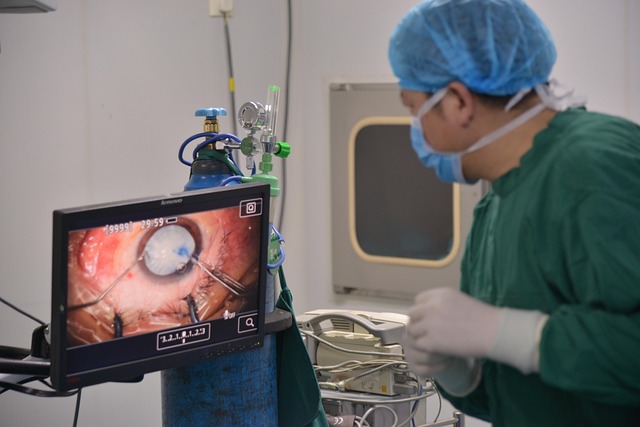

In the evolving landscape of modern medicine, the integration of robotics into operating rooms has transformed surgical practice. Robot‑assisted surgery, once considered a futuristic concept, is now a cornerstone of many medical centers worldwide. By merging precision engineering, advanced imaging, and human expertise, these systems are redefining what is possible during delicate procedures. The shift from traditional open or laparoscopic approaches to robotic platforms offers surgeons enhanced dexterity, reduced fatigue, and the ability to perform complex maneuvers that were previously beyond reach.
Evolution of Surgical Robotics
The journey from the first mechanical assistants to today’s sophisticated multi‑instrument systems has been marked by incremental innovations. Early experiments in the 1980s demonstrated the feasibility of using robotic manipulators for basic surgical tasks. However, it was the introduction of the da Vinci Surgical System in the early 2000s that truly catalyzed adoption, providing high‑definition 3‑D vision, wrist‑like articulation, and tremor‑filtering capabilities. Since then, the field has expanded with competitors offering hybrid solutions, increased haptic feedback, and modular toolkits tailored for specialties such as orthopedics, neurosurgery, and gynecology. Each iteration has refined control algorithms, user interfaces, and safety protocols, making robot‑assisted surgery increasingly accessible to a broader range of hospitals.
Key Technical Features
Robotic platforms typically incorporate several core elements that distinguish them from conventional instruments:
- Precision Control: Fine‑grained actuation enables movements measured in microns, which is critical when operating near vital structures.
- Enhanced Visualization: 3‑D high‑resolution cameras provide depth perception that surpasses the human eye, allowing surgeons to gauge spatial relationships with confidence.
- Ergonomic Console Design: Surgeons operate from a seated position, reducing musculoskeletal strain associated with prolonged exposure to overhead microscopes or traditional laparoscopic screens.
- Tremor Suppression: Real‑time filtering algorithms dampen involuntary hand tremors, ensuring smoother instrument trajectories.
- Instrument Portability: Swappable toolheads and modular attachments enable rapid adaptation to different procedural requirements.
“The ability to translate a surgeon’s intent into precise instrument motion has fundamentally altered the surgical experience,” notes Dr. Elena Morales, a pioneer in robotic urology.
Clinical Benefits of Robot‑Assisted Surgery
Beyond technological fascination, robot‑assisted surgery delivers measurable clinical advantages that resonate across patient populations and healthcare systems.
- Reduced Post‑operative Pain: Minimally invasive approaches facilitated by robotic arms often result in smaller incisions, leading to less tissue trauma and quicker recovery times.
- Lower Infection Rates: Smaller entry points and reduced operative times decrease exposure to potential contaminants.
- Enhanced Precision: The meticulous control afforded by robotics can improve outcomes in complex procedures such as prostatectomies, cardiac valve repairs, and spinal fusions.
- Improved Access to Remote or Under‑Resourced Areas: Tele‑presence capabilities allow expert surgeons to guide local teams, extending high‑quality care to regions lacking specialized personnel.
- Educational Value: Real‑time video feeds and data capture facilitate trainee learning and performance analytics, fostering continuous improvement.
Economic Considerations
While the upfront costs of acquiring and maintaining robotic systems are substantial, a comprehensive cost‑benefit analysis reveals a nuanced picture. Hospitals must balance capital expenditures against potential savings from shorter hospital stays, decreased readmission rates, and increased procedural throughput. Moreover, as surgical volume rises, the amortized cost per procedure tends to decline. Collaborative models—such as shared ownership among multiple departments or public‑private partnerships—have emerged as strategies to mitigate financial barriers, ensuring that the benefits of robot‑assisted surgery are not confined to elite institutions alone.
Challenges and Limitations
Despite its promise, robot‑assisted surgery is not without obstacles. Key challenges include:
- Learning Curve: Proficiency requires extensive hands‑on training and simulation, and inadequate exposure can lead to suboptimal outcomes.
- Limited Haptic Feedback: While visual cues are robust, tactile sensations remain limited in many systems, potentially affecting intra‑operative judgment.
- Regulatory Hurdles: Continuous updates to safety standards and certification processes can slow the introduction of new devices.
- Integration with Existing Infrastructure: Compatibility with hospital information systems, imaging modalities, and sterilization protocols demands careful planning.
- Ethical and Legal Questions: Attribution of responsibility in the event of errors, and ensuring equitable access to cutting‑edge care, remain subjects of ongoing debate.
Future Directions
Looking ahead, several emerging trends promise to further elevate the role of robot‑assisted surgery in healthcare.
- Artificial Intelligence Integration: Machine learning algorithms can analyze intra‑operative data in real time, offering decision support and predictive analytics that enhance safety and efficiency.
- Robotics for Personalized Medicine: Customizable toolkits and patient‑specific simulations enable tailored surgical plans that accommodate anatomical variability.
- Expanded Tele‑Surgery Capabilities: Advances in broadband connectivity and low‑latency communication networks will support remote procedure supervision and even remote hands‑on surgery, broadening geographic access.
- Miniaturization and Wearable Robotics: Smaller, more agile devices could facilitate outpatient procedures, reducing the need for inpatient stays.
- Robotics in Rehabilitation: Post‑operative robotic exoskeletons and guided motion platforms are already improving functional recovery timelines.
Conclusion
Robot‑assisted surgery stands at the intersection of engineering ingenuity and medical necessity, reshaping how surgeons approach the operating theater. By delivering precision, reducing invasiveness, and opening avenues for education and tele‑presence, these systems are not merely tools but catalysts for broader healthcare transformation. As the field continues to mature, addressing current limitations and embracing interdisciplinary innovation will be essential to ensuring that the benefits of robotics are realized across diverse patient populations and healthcare settings.