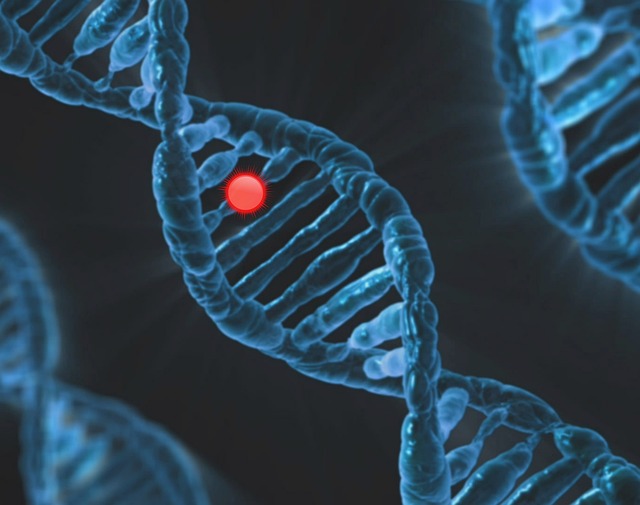

In recent years, the field of dentistry has begun to intersect powerfully with genomic science, ushering in a new era where genetic information informs every aspect of oral care. From personalized preventive regimens to early cancer detection, the integration of genomics is transforming routine dental practices into precision health services. This convergence promises not only improved patient outcomes but also a more efficient allocation of healthcare resources.
Personalized Oral Health Through Genomic Profiling
Traditional dental care has largely relied on visual inspection, bite marks, and patient history. While effective, these methods can miss subtle risks that a patient’s DNA may reveal. Genomic profiling in dentistry uses whole‑genome or targeted sequencing to identify variations that influence tooth development, enamel quality, and susceptibility to decay. For example, polymorphisms in the AMELX gene can affect enamel hardness, while variants in MMP genes may dictate periodontal breakdown rates. Armed with this information, clinicians can design individualized fluoride schedules, sealant strategies, and dietary counseling that match a patient’s genetic predispositions.
- Enhanced risk stratification for caries and periodontal disease.
- Customization of restorative materials based on enamel composition.
- Predictive guidance for orthodontic treatment timing and duration.
Early Detection of Oral Cancer Through Genetic Markers
Oral cancer often presents with nonspecific signs until it reaches an advanced stage. Advances in genomics now enable the identification of oncogenic mutations, such as TP53 or HRAS, in saliva or buccal swabs. A simple, noninvasive test can detect these mutations months before visible lesions form, allowing clinicians to intervene early. In dental practices, screening for these markers can be incorporated into routine check‑ups, providing a critical safety net for high‑risk populations like smokers and heavy alcohol users.
“Genomic screening turns the hidden into the visible,” says Dr. Elena Martinez, a leading oral oncology researcher.
Revolutionizing Implantology with Genomic Insights
Dental implants have become the standard for tooth replacement, yet implant failure remains a concern, especially in patients with compromised bone quality. Genomic data can identify mutations in genes like SOST or LRP5 that affect bone remodeling. Knowing a patient’s bone‑metabolism profile allows surgeons to tailor implant placement depth, choose surface coatings that encourage osseointegration, or prescribe pre‑operative pharmacological agents such as bisphosphonates. This level of precision reduces failure rates and shortens recovery times.
- Assessment of bone density genes before implant planning.
- Customized implant surface treatments based on osteogenic potential.
- Post‑operative monitoring using genetic biomarkers of healing.
Microbiome Sequencing: The Key to Tailored Oral Hygiene
While human genetics shape susceptibility to disease, the oral microbiome is a dynamic partner in health and disease. Next‑generation sequencing now allows clinicians to map the entire bacterial community in a patient’s mouth. By identifying over‑represented pathogens such as Porphyromonas gingivalis or under‑represented commensals like Streptococcus salivarius, dentists can recommend targeted probiotic therapies, antimicrobial rinses, or specific brushing techniques that restore microbial balance. This approach moves beyond generic oral care instructions to evidence‑based, microbiome‑centric strategies.
- Detection of subgingival biofilm patterns linked to systemic conditions.
- Design of customized oral care products based on individual microbiota.
- Longitudinal monitoring to assess treatment efficacy.
Ethical, Regulatory, and Data Privacy Considerations
With great power comes great responsibility. The use of genetic data in dentistry raises several ethical questions: How is consent obtained? Who owns the genetic information? What safeguards prevent discrimination by insurers or employers? Current regulations, such as the Genetic Information Nondiscrimination Act (GINA) in the United States, provide a framework, but dental practices must implement robust data encryption, anonymization protocols, and transparent policies to protect patients. Moreover, clinicians need training to interpret genomic results accurately and communicate them effectively, ensuring that patients understand the implications without feeling overwhelmed.
The Road Ahead: Integrating Genomics Into Standard Dental Care
Looking forward, the vision is clear: every dental visit will begin with a quick genomic assessment, guiding a personalized treatment plan that aligns with a patient’s unique biology. Artificial intelligence will integrate genetic, microbiome, and clinical data to provide real‑time decision support. Educational curricula for dentists will evolve to include genomics and bioinformatics, ensuring that future practitioners are equipped to interpret complex datasets. Additionally, public health initiatives will leverage aggregate genomic data to identify population‑level risk patterns, informing targeted prevention programs.
- Standardization of genomic testing protocols across dental practices.
- Development of interoperable electronic health record systems that incorporate genomic fields.
- Investment in community outreach to increase genomic literacy among diverse populations.