

Diagnostic science has entered a renaissance era, where breakthroughs are no longer confined to laboratories but are rapidly integrated into clinical workflows. At the heart of this transformation lies a steady stream of scientific publications that articulate novel technologies, validate their efficacy, and guide regulatory approval. These research papers serve as the primary medium through which innovators communicate their discoveries to clinicians, payers, and policy makers, ensuring that advancements in detection, measurement, and monitoring reach patients faster and more safely.
Emerging Diagnostic Tools That Are Changing Practice
Recent years have witnessed the emergence of a suite of diagnostic tools that combine miniaturization, connectivity, and intelligence. These innovations span from rapid point‑of‑care assays to sophisticated imaging modalities, each powered by data generated in scientific publications. Key developments include:
- Microfluidic chips capable of detecting pathogen DNA in under ten minutes.
- Wearable biosensors that continuously monitor glucose, lactate, and other biomarkers.
- Artificial‑intelligence algorithms that enhance radiological image interpretation.
- Next‑generation sequencing panels that profile oncogenic mutations at single‑cell resolution.
- Liquid biopsy tests that identify circulating tumor DNA for early cancer detection.
The Role of Scientific Publications in Diagnostic Innovation
Scientific publications function as the bridge between laboratory curiosity and bedside application. By publishing peer‑reviewed studies, researchers establish the validity of new diagnostic methods, provide transparent data sets for reproducibility, and set benchmarks for sensitivity and specificity. The rigorous methodology and critical analysis inherent in these documents give clinicians confidence to adopt emerging tests. Moreover, publications stimulate dialogue across disciplines—engineers, data scientists, clinicians, and regulatory experts—creating a collaborative ecosystem that accelerates translation from bench to clinic.
Case Study: Point‑of‑Care Testing for Infectious Diseases
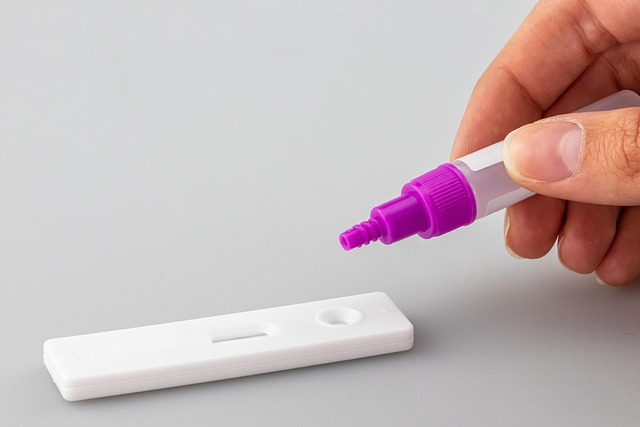
During the COVID‑19 pandemic, the importance of rapid diagnostics became glaringly evident. Scientific publications detailing the development of nucleic‑acid amplification tests (NAATs), antigen assays, and CRISPR‑based diagnostics provided the evidence base for emergency use authorizations. These papers outlined assay design, validation protocols, and real‑world performance metrics. The collective knowledge shared in these articles enabled global manufacturers to produce affordable, high‑throughput point‑of‑care platforms, reducing testing turnaround time from days to minutes and dramatically curbing transmission.
“The pandemic underscored how quickly scientific publications can inform public health responses, turning data into deployable diagnostics.”
Artificial Intelligence and Machine Learning in Medical Imaging
AI has revolutionized imaging diagnostics by enhancing feature extraction and diagnostic accuracy. Peer‑reviewed studies describe convolutional neural networks that detect subtle lung nodules, predict stroke risk from carotid imaging, and assess diabetic retinopathy severity. These publications not only demonstrate improved detection rates but also compare AI performance against expert radiologists, establishing benchmarks for clinical integration. Furthermore, open‑access datasets and algorithmic code, often shared alongside these papers, allow independent validation and foster continuous improvement.
Genomic Diagnostics and the Power of Sequencing
Whole‑genome and exome sequencing panels have become indispensable for diagnosing rare genetic disorders, guiding cancer treatment, and assessing hereditary cancer risk. Scientific publications outline variant calling pipelines, bioinformatic filtering strategies, and clinical annotation frameworks. They also discuss ethical considerations and patient counseling. By publishing standardized methodologies, researchers reduce variability in interpretation across laboratories, thereby improving diagnostic yield and ensuring that genomic insights translate into tangible therapeutic decisions.
Challenges in Translating Research to Clinical Practice
Despite the abundance of high‑quality scientific publications, several barriers impede swift clinical adoption. Publication lag—wherein manuscripts take months from submission to publication—can delay the dissemination of life‑saving diagnostics. Reproducibility concerns arise when methods are not fully detailed or when proprietary reagents are used. Additionally, the high cost of cutting‑edge diagnostics often outpaces reimbursement frameworks, limiting patient access. Addressing these challenges requires tighter alignment between research reporting standards, regulatory pathways, and payer policies.
The Open Access Movement and Diagnostic Equity
Open access journals and preprint repositories have dramatically expanded the reach of scientific publications. By removing paywalls, clinicians in low‑resource settings can access the latest diagnostic algorithms, assay designs, and validation data. This democratization accelerates global health equity, allowing laboratories worldwide to implement validated tests without the prohibitive costs of subscription journals. The open‑data ethos also promotes secondary analyses, fostering innovation such as repurposing existing assays for new clinical questions.
Future Outlook: Emerging Trends in Diagnostic Innovation
The trajectory of diagnostic technology points toward a seamless integration of multimodal data—combining imaging, genomics, proteomics, and wearables—into a unified patient profile. Scientific publications will continue to serve as the foundation for these advances, detailing novel biomarkers, computational frameworks, and validation studies. Additionally, regulatory landscapes are evolving to accommodate real‑world evidence, where post‑market surveillance data published in journals can influence label updates and practice guidelines. The synergy between rapid publication cycles, digital platforms, and adaptive regulatory mechanisms will sustain the momentum of diagnostic breakthroughs.
Conclusion
Scientific publications remain the lifeblood of diagnostic innovation. They provide the rigorous evidence needed for clinical trust, the collaborative language that brings diverse experts together, and the transparent documentation that ensures reproducibility and equity. As healthcare continues to evolve, the interplay between research, publication, and practice will drive the next wave of diagnostic tools—turning data into decisive clinical action and ultimately improving patient outcomes worldwide.